Teaching
The Department of Software Engineering educates students in the Bachelor’s and follow-up Master’s study programmes of Applied Informatics in the Natural Sciences, which are based on the interdisciplinary integration of informatics with the natural sciences, particularly applied physics. During their studies, students also become familiar with applications of informatics in economics and in the processing of large volumes of data. The Bachelor’s programme is offered in Prague and at the FNSPE branch campus in Děčín, where students can additionally make use of a 3D printing laboratory as part of 3D modelling. In doctoral studies, the department provides further education in the Applied Informatics study programme
Bachelor's studies
Follow-up master's studies
Doctoral Studies
science and research
The department’s research activity covers a broad spectrum of informatics applications and software development. The following disciplines are particularly cultivated at the department:
- machine learning, neural networks, and artificial intelligence (development and implementation of machine learning and AI algorithms),
- data acquisition, processing, and optimisation (processing of medical imaging data from PET, SPECT, or MRI; application of mathematical optimisation methods; processing of financial time series),
- programming and data management (databases, parallel and distributed computing, algorithm optimisation, control of physical experiments),
- mathematical modelling (economic and industrial processes, numerical solutions of partial differential equations, prediction of economic development),
- applications of 3D modelling (advanced 3D modelling methods, applications in medicine, 3D printing laboratory in Děčín).
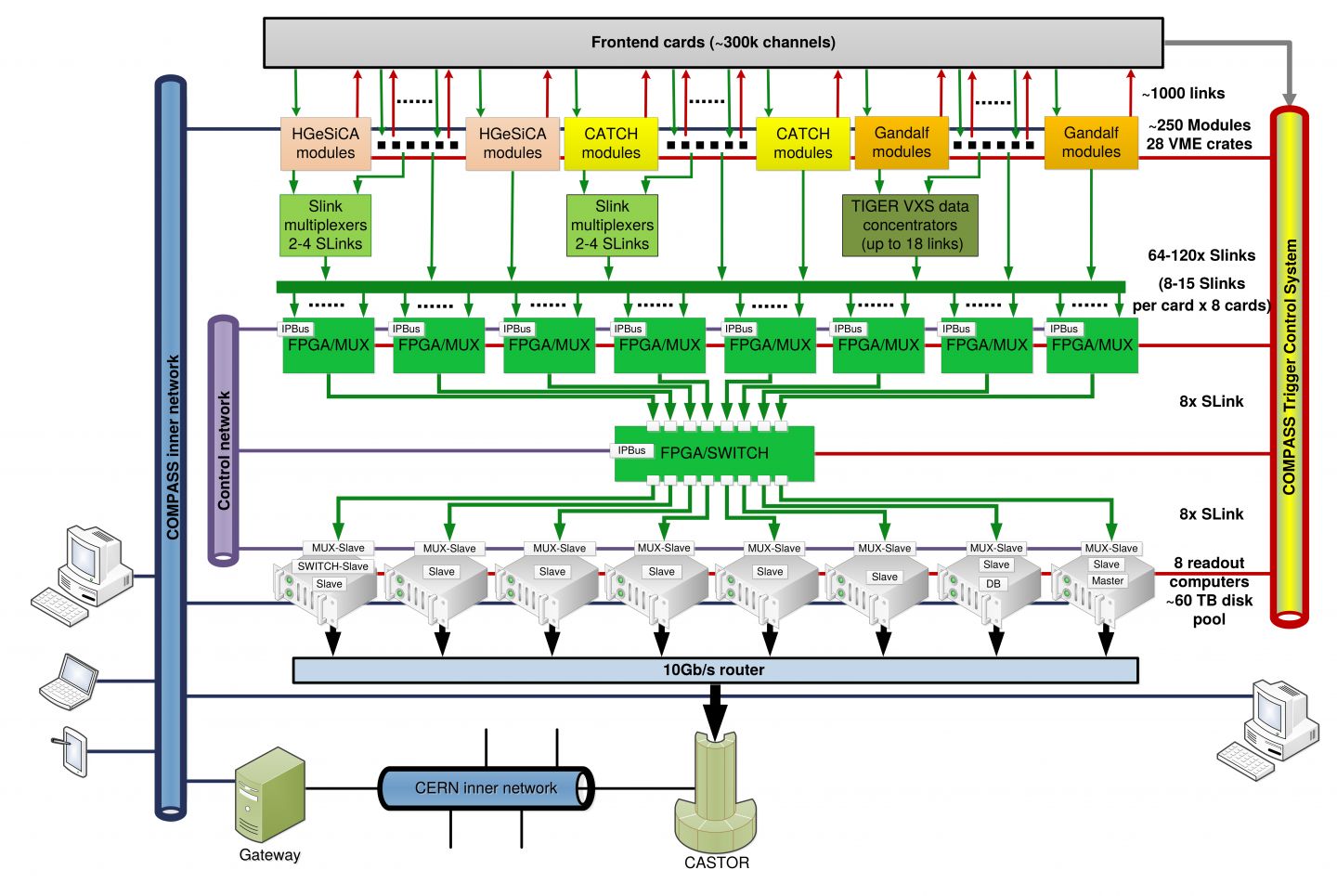
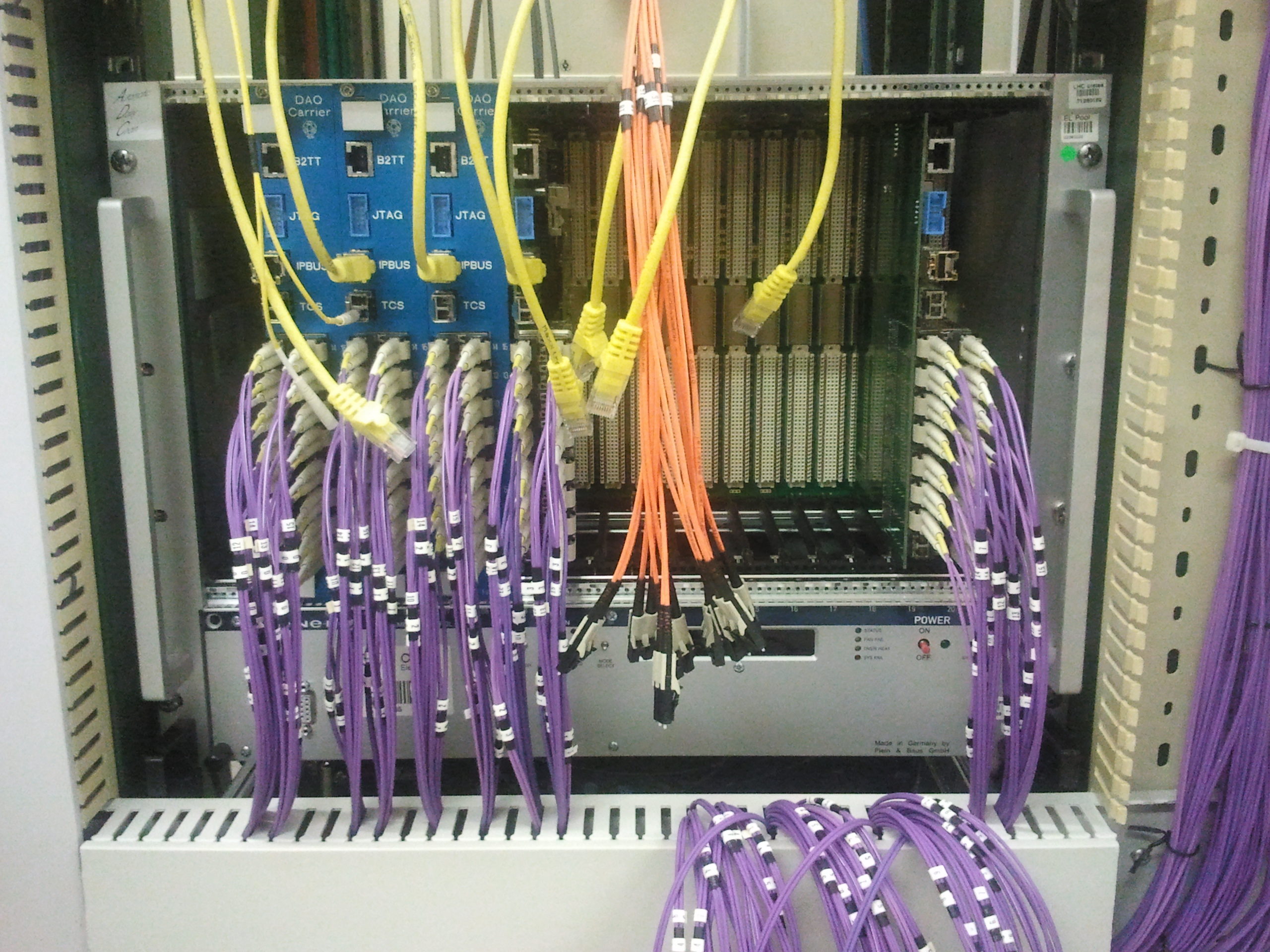
The Department of Software Engineering’s international collaborations focus on intelligent systems for data acquisition (DAQ) in high-energy physics experiments and on the use of machine learning algorithms for their analysis. Already at the Bachelor’s level, students can take part in the AMBER (CERN), DUNE (Fermilab), and PANDA (Darmstadt) experiments. Members of the COMPASS team and its successor, the AMBER experiment, ensure the implementation and smooth operation of real-time large-scale data acquisition and experiment control systems.
collaborating institutions
TUM, CERN, BNL, CA Technologies, IKEM, IBM, Thomayer University Hospital
the department in images